
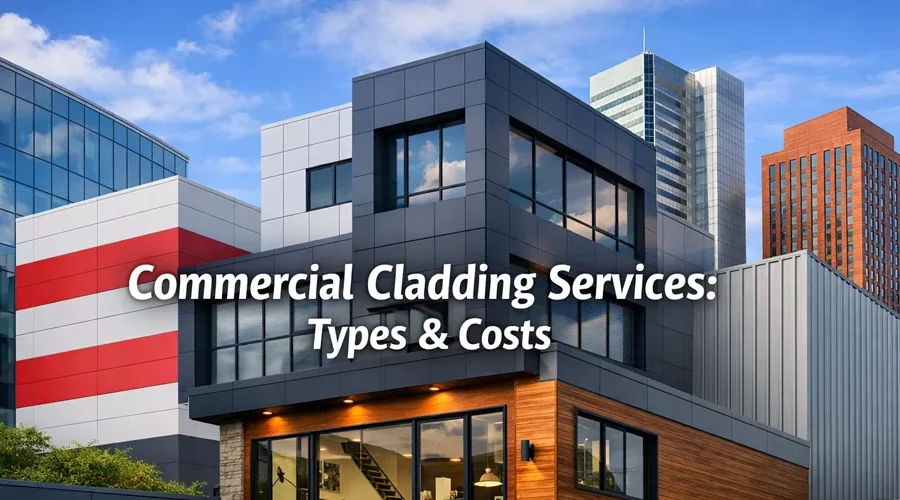
Commercial Cladding Services: Everything Property Owners and Developers Need to Know
Key Takeaways
Choosing the right commercial cladding service can protect your building for decades, lower your energy bills, and significantly increase your property’s market value. Here is what this article covers at a glance:
- Commercial cladding is more than a cosmetic upgrade — it is a structural investment in weather resistance, fire safety, and energy performance.
- The most popular materials in Canada include Aluminium Composite Material (ACM), metal panels, fiber cement, and glass curtain wall systems.
- Hiring a qualified contractor with proven experience in commercial projects is the single most important decision you will make.
- Proper installation, including code compliance under Canada’s National Building Code (NBC), directly determines how long your cladding system performs.
- Long-term ROI from a quality cladding system can include energy savings of 15–25% on heating costs, reduced maintenance spending, and higher resale or lease value.
- Always request quotes from multiple licensed professionals before committing to a project.
Walk past almost any modern commercial building in Ontario — an office tower, a medical clinic, a retail plaza — and you are looking at a cladding system doing its job. The exterior skin of a building is its first and most visible line of defense, and getting it right means balancing aesthetics, performance, budget, and local building codes. For property owners, facility managers, and developers across Canada, understanding what commercial cladding services actually involve can be the difference between a building that appreciates in value and one that quietly deteriorates.
This guide is written for people who want real, practical information — not a glossy brochure. Whether you are planning a new commercial build, renovating an aging office exterior, or exploring ways to reduce your building’s energy costs, read on.
What Is Commercial Cladding and Why Does It Matter?
Cladding refers to any protective, non-structural layer applied to the exterior of a building. It is engineered to shield against rain, wind, freeze-thaw cycles, and temperature swings while often contributing to insulation and visual appeal. In Canada’s variable climate — where winters in Ontario can plunge below -20°C and summers bake surfaces for months — cladding is not optional. It is essential.
For commercial properties, cladding goes several steps beyond residential siding. The scale is larger, the performance requirements are stricter, and the regulatory framework is more demanding. A poorly specified system on a commercial building can lead to moisture infiltration behind panels, structural damage, fire safety violations, and enormous remediation costs. Done right, however, a commercial cladding system locks in protection for 30 to 50 years.
Beyond pure function, cladding shapes how your building is perceived. In competitive commercial real estate markets like the Greater Toronto Area and surrounding regions of Ontario, a fresh, modern façade can meaningfully influence tenant attraction, lease rates, and brand perception. Many businesses choose their premises partly based on how the exterior presents the company to clients and visitors.
The Most Common Commercial Cladding Materials in Canada
Not every material suits every project. Here is a breakdown of the options Canadian property owners encounter most often.
Aluminium Composite Material (ACM) Panels
ACM panels consist of two thin aluminium sheets bonded to a polyethylene or fire-retardant (FR) core. They are lightweight, highly customizable in colour and finish, and offer excellent resistance to weather. For high-rises and institutional buildings subject to the National Building Code’s non-combustibility standards, the FR-core variant is mandatory. Initial costs for premium ACM materials typically range from $10 to $25 per square foot depending on specifications, but they offer superior long-term ROI through energy savings and reduced maintenance.
Metal Panels (Steel and Aluminium)
Metal cladding has become a staple in modern Canadian commercial architecture. Steel and aluminium panels are highly resistant to rust, fire, and impacts, making them a practical choice for properties in regions prone to extreme weather. Standing seam panels are favoured for their watertight construction, while corrugated options offer an economical solution for industrial or light-commercial contexts. Aluminium cladding appears on over 60% of industrial and commercial building projects across Canada — it is extremely lightweight, easy to fabricate, and generally priced under $22 per square foot for standard finishes.
Fiber Cement Cladding
Fiber cement boards have grown steadily in popularity in Canada because they resist moisture, fire, insects, and rot without requiring the premium price of natural materials. They can be finished to resemble wood, stone, or smooth contemporary panels, giving designers flexibility without long-term maintenance headaches.
Glass Curtain Wall Systems
On office towers, medical buildings, and flagship retail properties, glass curtain walls make a strong architectural statement. These systems are non-structural, hung from the building frame, and deliver abundant natural light while managing heat gain and loss through advanced glazing technology. They require precision engineering and certified installation teams.
Stone Veneer and Brick Cladding
For heritage restoration projects, civic buildings, or any commercial property aiming for a timeless aesthetic, natural stone veneers and traditional brick remain compelling options. Stone veneers apply thin layers of natural stone to the exterior, achieving an authentic look without the structural weight of solid masonry.
Wood-Plastic Composite (WPC)
WPC cladding combines the natural look of wood with enhanced durability, offering eco-friendliness, resistance to harsh Canadian weather, and minimal maintenance requirements. It sits in a middle tier between pure timber and fully synthetic panels, appealing to owners who want warmth in the aesthetic without committing to the upkeep real wood demands.
Key Factors That Drive Commercial Cladding Project Costs
Several variables influence what your project will ultimately cost. Understanding them helps you have more informed conversations with contractors and get accurate quotes.
Material Selection
As outlined above, material costs vary widely. ACM and high-specification metal panels cost more upfront than fiber cement, but their longevity and energy performance often justify the investment over a 20-to-30-year horizon.
Building Size and Accessibility
A six-story office building requires significantly more scaffolding, labour, and project management than a two-story medical clinic. Irregular façades, curved surfaces, and elevated installation add complexity and cost.
Fire Safety and Code Compliance
For high-rises or institutional buildings, materials must meet stringent non-combustibility standards under Canada’s National Building Code. When using ACM panels or HPL cladding, ensuring the core material is fire-retardant or non-combustible is not just a code requirement — it is a life-safety matter. Non-compliant installations can trigger costly removal and replacement orders from building inspectors.
Installation System
A rainscreen cladding system — which creates a ventilated air gap behind the cladding layer — is widely recommended in high-precipitation regions of Canada. It prevents moisture from getting trapped between layers, dramatically extending the life of both the cladding and the wall structure behind it.
Design Complexity
Bespoke panel shapes, custom colours, mixed-material façades, and detailed architectural features all increase labour time and cost. A clean, uniform panel system in a standard finish is the most budget-efficient route, while complex geometric façade designs will require more planning, custom fabrication, and skilled installation time.
What Commercial Cladding Services Actually Include
When you hire a professional commercial cladding contractor, the scope of work typically extends well beyond simply attaching panels to walls. A full-service cladding company will:
Conduct a detailed site inspection and building assessment, identifying any existing moisture damage, structural issues, or outdated insulation that should be addressed before cladding begins. They will review building plans and specifications with your architect or engineer, ensuring the proposed system meets local building permits and NBC requirements.
They handle material procurement — often sourcing directly from manufacturers — and manage logistics for delivering large panel orders to site. The installation phase involves mounting the substructure (typically a metal rail system or z-girts), installing any required building wrap or moisture barrier, fitting the panels, sealing all joints, and completing trim and flashings at windows, doors, and roof transitions.
After installation, a thorough inspection ensures airtight seals and proper ventilation channels are functioning as designed. Documentation for warranty claims and building permit sign-off is also part of the package with any reputable contractor.
For projects requiring specialized expertise — including high-rise façade remediation or curtain wall installation — look for a contractor with demonstrated commercial project history. The team at BuildSky brings that kind of professional-grade experience to exterior cladding and commercial building envelope projects, making them worth considering if you are planning a significant commercial exterior upgrade in Ontario.
Energy Efficiency and Sustainability Benefits
One of the most compelling reasons to invest in commercial cladding is what it does to your energy bills over time. When the right insulative system is installed behind the exterior panels, cladding can reduce heating bills by 15–25% in provinces like Ontario. For a medium-sized commercial building spending $80,000 to $150,000 annually on heating and cooling, those savings compound rapidly year over year.
Modern systems pair exterior cladding with continuous insulation — rigid foam or mineral wool boards — that eliminates thermal bridging through wall studs. The result is a tighter building envelope that reduces reliance on mechanical HVAC systems and can contribute toward LEED certification or other green building standards increasingly demanded by institutional tenants and public-sector clients.
Sustainability extends to material choices as well. Recycled aluminium content, responsibly sourced fiber cement, and WPC composites that incorporate reclaimed wood fibers are all readily available in the Canadian market. For owners navigating ESG reporting requirements or pursuing BOMA BEST certification, these material choices carry real, documentable value.
Choosing the Right Commercial Cladding Contractor in Ontario
The contractor you hire matters more than almost any other decision you will make on a cladding project. Misinstallation — even with top-quality materials — leads to panel delamination, water infiltration, voided warranties, and potentially dangerous façade conditions. Here is what to look for.
Licensing and Insurance
Your contractor must carry commercial general liability insurance and, in Ontario, must operate under the appropriate contractor licensing framework. Verify this before signing any agreement. Ask for the policy documents directly — a reputable firm will share them without hesitation.
Relevant Commercial Experience
Residential siding experience does not qualify someone for commercial cladding work. Ask to see photographs and references from completed commercial projects similar in scale and material type to yours. A contractor who has delivered five comparable projects is far less risky than one attempting their first at your expense.
Manufacturer Certifications
Many cladding panel manufacturers — particularly ACM suppliers — require installers to complete certified training programs before their products will carry a full warranty. Ask your contractor which manufacturer certifications they hold and request copies.
Detailed Written Quotes
A professional contractor provides an itemized quote breaking down materials, labour, scaffolding, permit fees, and warranty terms. Be cautious of unusually low quotes that omit line-item detail — vague quotes lead to surprise change orders mid-project.
Knowledge of Local Codes
Ontario’s Building Code and the National Building Code set the regulatory floor. A contractor unfamiliar with these requirements is a genuine liability on any commercial project.
If you are comparing service providers for your exterior renovation, TopPros connects property owners with vetted professionals across Ontario, making it easier to find qualified tradespeople for commercial cladding, exterior renovations, roofing, and related services. Getting multiple quotes through a trusted platform protects you and ensures competitive pricing.
Common Mistakes to Avoid on Commercial Cladding Projects
Even sophisticated property owners and experienced project managers make avoidable errors on cladding projects. Knowing what they are in advance puts you ahead.
Skipping a pre-installation moisture assessment of the existing wall assembly is among the costliest mistakes. If water has already infiltrated the wall structure, cladding over the problem seals it in and accelerates the damage beneath.
Selecting materials based on upfront cost alone without calculating lifecycle costs is another common misstep. A cheaper cladding system that requires repainting every five years or shows delamination after a decade costs far more than a premium system with a 30-year finish warranty.
Failing to specify fire-retardant panel cores on buildings where non-combustibility is required by code can trigger removal and replacement at enormous expense — or worse, create a genuine fire risk.
Overlooking thermal expansion provisions in the installation system is a technical oversight that causes premature failure. Metal panels in particular expand and contract significantly with Canada’s temperature swings. Without properly engineered movement joints, panels buckle, pop, and fail.
Finally, choosing a contractor based solely on price without verifying their commercial track record, insurance coverage, and manufacturer certifications is the mistake that leads to every other problem on this list.
How to Get Started on Your Commercial Cladding Project
The planning phase of a commercial cladding project typically takes longer than most property owners expect. Architectural drawings, engineer reviews, permit applications, and material lead times — especially for custom panel colours or large ACM orders — can add weeks or months before a single panel goes up. Starting early is always the right move.
Engage your contractor or a building envelope consultant during the design phase of a new build, or at least six months before your target start date for a renovation. Obtain at least three quotes from qualified contractors, and ensure each quote covers the same scope of work so you are comparing like for like.
Check whether your municipality or Ontario’s various grant programs offer any support for energy-efficient building upgrades. Some commercial retrofit projects qualify for incentives tied to improved insulation and building envelope performance under local utility or provincial programs.
For projects that go beyond standard cladding into full building envelope remediation, structural repairs, or multi-system façade renewal, partnering with a specialist firm is the prudent path. BuildSky is one such provider in Ontario, offering expertise across the full scope of commercial exterior cladding services and building envelope solutions.
Commercial cladding is one of the highest-leverage investments a property owner can make. It protects the structure, improves occupant comfort, lowers operating costs, and presents your building to the world with confidence. Done right — with qualified professionals, compliant materials, and a well-managed installation — it is an upgrade that pays for itself many times over across the life of your building.